Lara Bayer – New Museum, “New Humans: Memories of the Future” ile Yeniden Açıldı
Yıllar süren renovasyonun ardından New Museum bu bahar kapılarını yeniden açtı. 1977 yılında Marcia Tucker tarafından kurulan müze, çağdaş sanata odaklanmış ve bugünü konu eden eserlere yer vermiş.
Kariyerlerinin farklı aşamalarındaki sanatçıları desteklerken, daha tanınmış isimlere de yer vererek sanatçıların yeni eserler üretmesine imkân tanımış. 2007’den bu yana SANAA tarafından tasarlanan Bowery’deki binasında yer alan müze, bulunduğu çevrede tanınan bir yapı hâline gelmiş. Bu açılışın zamanlaması yerindeydi. Son birkaç yıldır dünya, daha önce görmediğimiz bir hızda değişirken, ben de bu değişimi nasıl yorumladıklarını görmek için New Museum’a gittim.
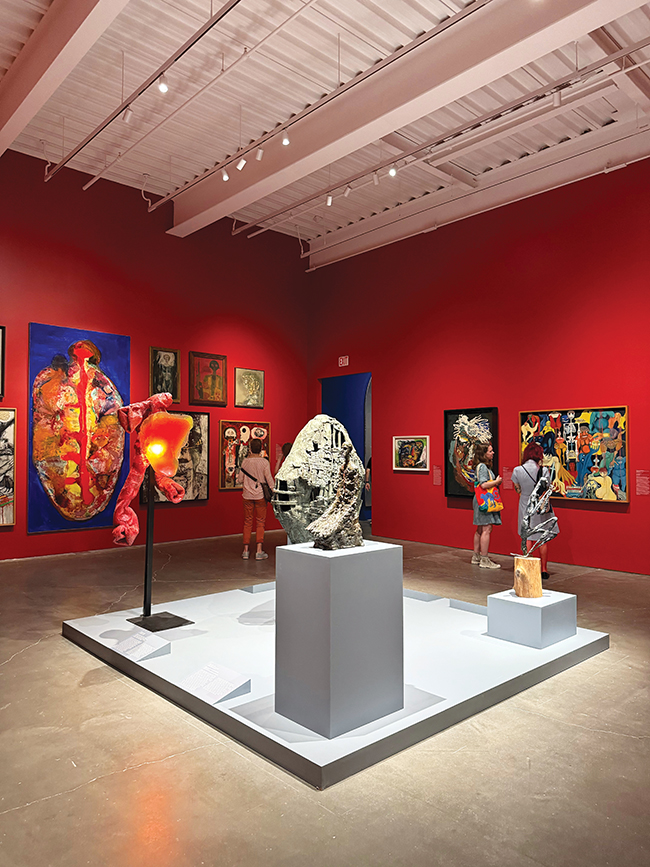
Müzenin açılışı, “New Humans: Memories of the Future” sergisiyle gerçekleşti. Üç kata yayılan sergi, birbirine bağlı ancak kendi içinde ayrı bölümlerden oluşuyordu. Sergi, yirminci ve yirmi birinci yüzyılı bir araya getiriyordu. Sanatçıları, yazarları, mimarları ve film yapımcılarını buluşturuyor; teknolojik ve toplumsal değişimlerin insan olmanın anlamını nasıl yeniden şekillendirdiğini gösteriyordu. Otomasyon gibi erken gelişmeleri, bugünün yapay zekâ ve hızla ilerleyen teknolojileriyle yan yana getiriyordu. Bu çerçevede sergi, farklı beden ve varoluş biçimlerini bir araya getiriyor, sanatı geleceği düşünmenin bir yolu olarak ele alıyordu.
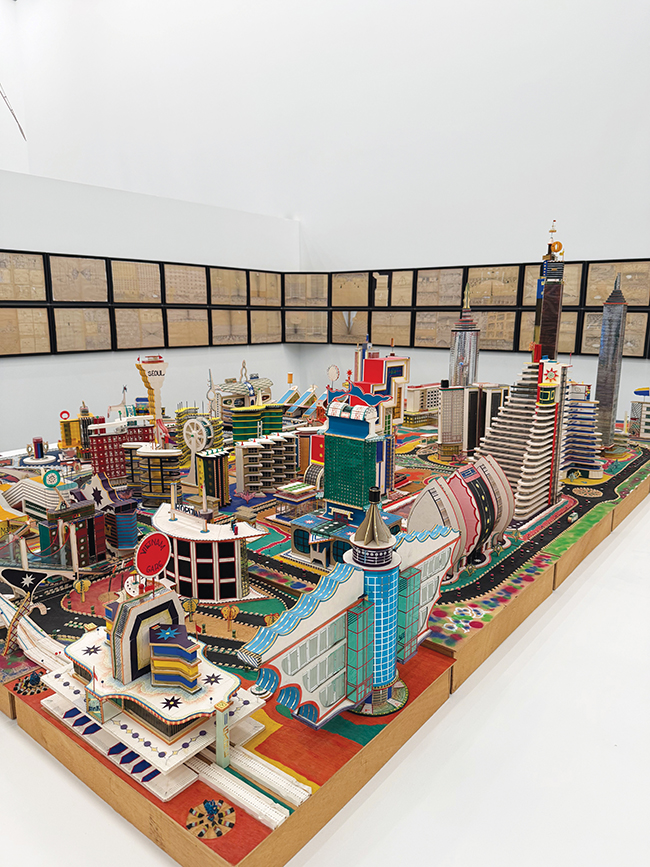
İlk galeride şehre dair farklı yaklaşımlar sunan mimari modeller ve çizimler bulunuyordu. Hugh Ferriss’in karanlık, gökdelenlerle dolu şehir çizimleri modern şehrin nasıl hayal edildiğini gösteriyordu. Yanında Bodys Isek Kingelez’in, daha uyumlu bir gelecek düşleyen renkli şehir modelleri yer alıyordu. Cui Jie ise günümüz şehirlerini resmediyordu; binalar ve altyapı tek bir yüzeyde toplanıyor, şehir sıkışmış bir bütün gibi görünüyordu. Bu bölüm, şehre dair çok farklı yaklaşımları bir araya getiriyordu.
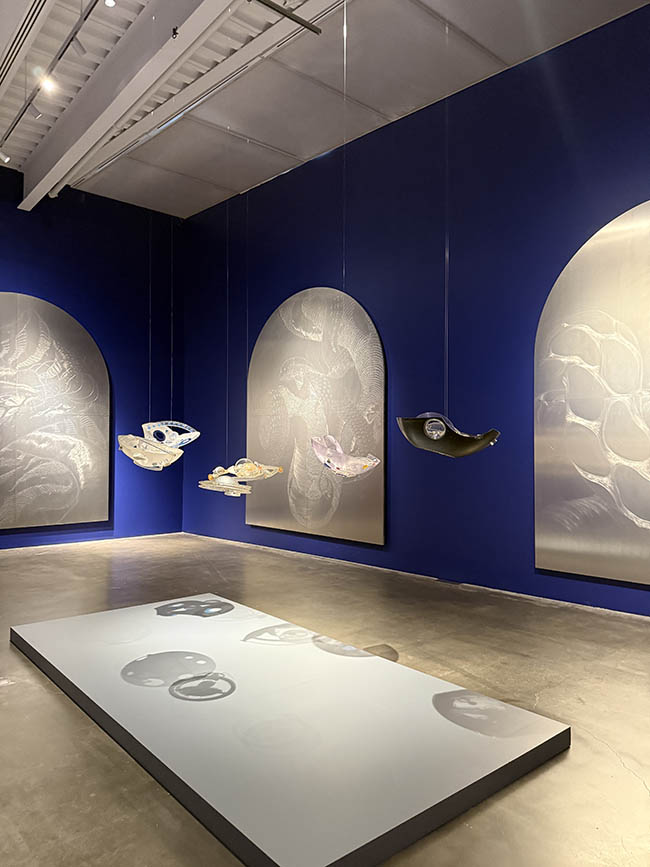
İleride, şeffaf görünümlü, biyomekanik varlıklar gibi görünen, havada uçan iki yapıyla karşılaştım. Anicka Yi bu olağanüstü işiyle canlı ile teknolojiyi bir araya getirip insan bedeninin ötesinde bir varlığı düşündürüyordu.
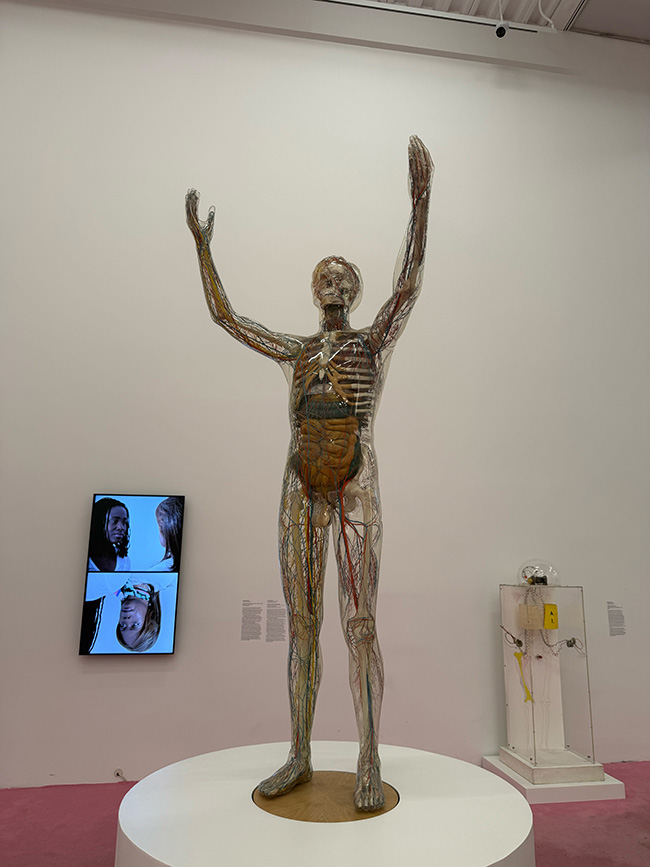
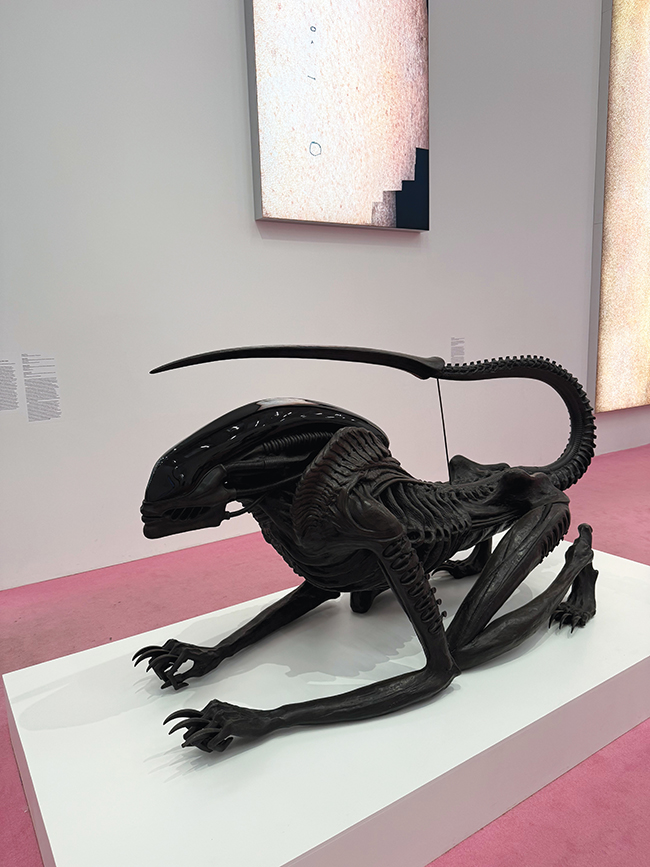
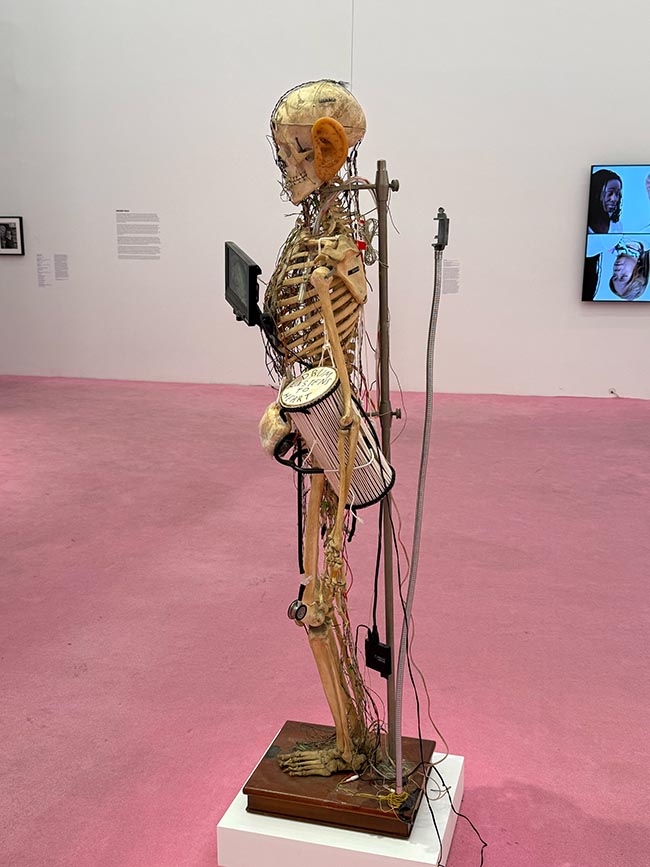
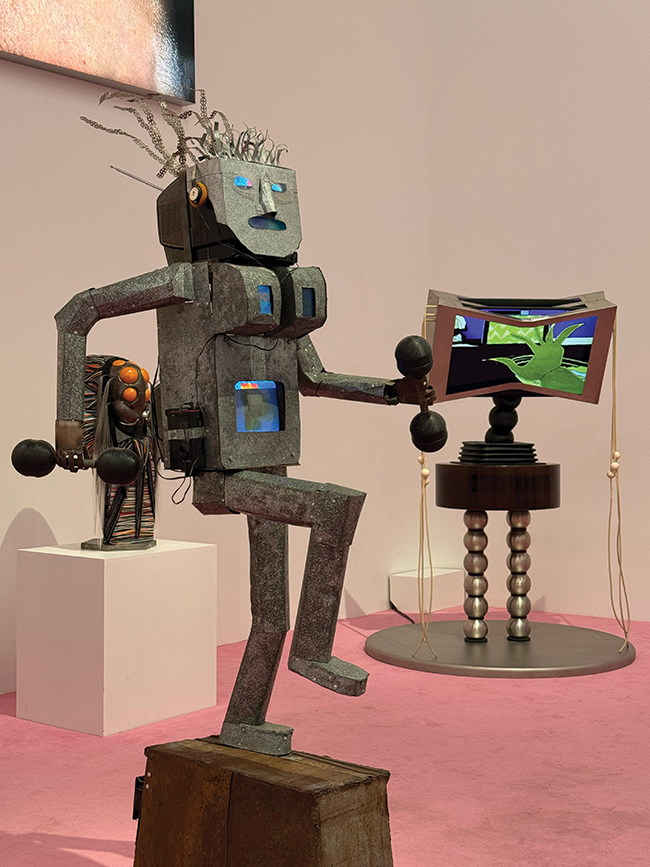
Bir sonraki galeride insan bedenli makineler, anatomik modeller ve robotlar bir araya gelmişti. Bu bölüm, insanın kendisini teknolojiye nasıl yansıttığını göstererek, bilimsel araştırma ile teknolojik hayal gücü arasında bir süreklilik kuruyordu. Franz Tschackert’in “Glass Man” adlı işi, şeffaf bedeniyle iç sistemleri görünür kılarak bedenin nasıl incelendiğini ve mekanik bir yapıya dönüştürüldüğünü gösteriyordu. Yanında yer alan Stephanie Dinkins’in bir robotla gerçekleştirdiği diyalog ve Jordan Wolfson’ın animatronik figürü bu fikirleri günümüze taşıyordu. H. R. Giger’in heykeli ise insan ile makineyi tek bir varlıkta birleştirerek daha karanlık bir yön keşfediyordu. Mekân merak ve huzursuzluk arasında gidip geliyordu.
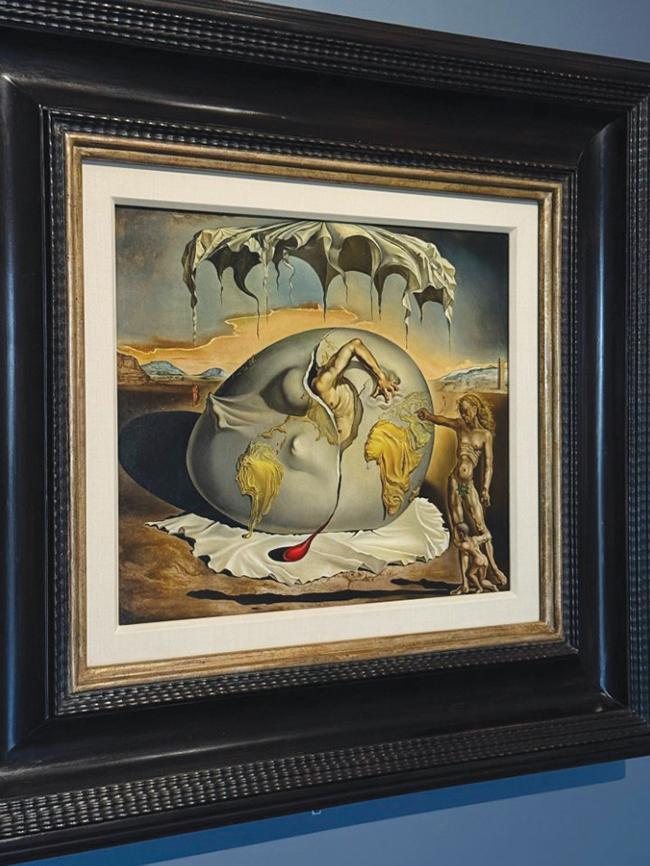
Bir kat aşağı indiğimde Salvador Dalí ve Marcel Duchamp’ın eserleriyle karşılaştım. Bu eserler, sergideki daha güncel ve teknoloji odaklı üretimlerle birlikte sunulduğunda, insan bedeni ve makine arasındaki ilişkinin geçmişte nasıl ele alındığını günümüzle kıyaslıyordu.
Serginin en sevdiğim bölümlerinden biri “Maps of Humans” başlıklı alandı. Bu bölüm, savaş sonrası atomik yıkımın yarattığı korku ve belirsizlik üzerinden, insanlığın geleceğine dair farklı olasılıkları ele alıyordu. Gyula Kosice’nin 1940’lardan itibaren geliştirdiği “hydrospatial city” projesiyle insanların yeryüzünden bağımsız, havada asılı yapılarda yaşayabilecekleri bir gelecek kurguluyordu. Bu yaklaşım, artan nüfus ve çevresel yıkıma karşı, yeryüzünün dışına taşınan daha iyimser bir ihtimali ortaya koyuyordu.
“New Humans: Memories of the Future”, dünyanın ve insanlığın neye dönüşebileceğini keşfediyordu. Üç kat boyunca, geleceğe dair farklı yaklaşımlarla karşılaştım. Ziyaretimin sonunda, New Museum’un, hâlâ sorduğu sorularla birlikte gelişmeye devam eden bir kurum olduğunu bir kez daha gördüm.
***
The New Museum Reopens with New Humans: Memories of the Future
After several years of closure and anticipation, I returned to the New Museum as it reopened with a renewed energy and a bold curatorial undertaking. Since its founding in 1977 by Marcia Tucker, the museum has been committed to contemporary art that engages with the present and future. From its inception, it has focused on what is unfolding now and what lies ahead, supporting artists at pivotal stages in their careers while also presenting work by more established figures, and commissioning new projects that reflect the breadth of contemporary artistic production. Housed in its SANAA-designed building on Bowery since 2007, the museum has long been a recognizable presence in the neighborhood. The recent renovation coincided with a changing cultural landscape in a speed we have never seen before. To see how they chose to convey this change, I made my way to the New Museum.
The reopening was anchored by New Humans: Memories of the Future, an exhibition that unfolded across three floors, each functioning as a distinct yet interconnected chapter. The exhibition traced the twentieth and twenty-first centuries, bringing together artists, writers, architects, and filmmakers to examine how moments of technological and social change have reshaped ideas of what it means to be human. It placed early developments such as automation in dialogue with contemporary conditions, where artificial intelligence and rapidly evolving technologies continue to redefine the human body and our perception. Across this framework, the exhibition proposed multiple visions of humanity, positioning art as a way of imagining possible futures.
In the opening galleries, there were architectural models and drawings that explored different ideas of the city. Hugh Ferriss’s dark, towering drawings presented early visions of the modern metropolis. Alongside them, Bodys Isek Kingelez created detailed models of imagined cities, reflecting his vision of a more harmonious future. Cui Jie, in contrast, focused on contemporary urban life, bringing buildings and infrastructure together on a single surface, where the city appears dense and compressed. Together they presented different visions of the city and the conditions shaping it.
Further back in the space, were two translucent forms floating above the gallery, appearing as biomechanical organisms. Anicka Yi, known for incorporating biological references and scientific research into her practice, works at the intersection of organic and synthetic systems. Here, those floating creatures felt like forms of life that existed beyond the human body, extending the exhibition’s exploration of how technology reshapes what we understand as human.
The next gallery shifted to focus on the figure itself, through machines modeled after the human body. In this section, mechanical beings, anatomical models, and robots examined how humanity has long projected itself onto technology. Early twentieth century examples appeared alongside contemporary works, creating a continuity between scientific inquiry and technological imagination. Franz Tschackert’s Glass Man, with its transparent body revealing internal systems, stood as a reminder of how the human figure has been studied and mechanized. Nearby, more recent works pushed this further, from Stephanie Dinkins’s conversations with a humanoid robot to Jordan Wolfson’s unsettling animatronic figure. H.R. Giger’s biomechanical sculpture introduced a darker vision, merging human and machine into a single, unsettling organism. The space moved between fascination and discomfort, asking whether these figures reflected human aspirations or anxieties.
Just one floor below, I encountered works by Salvador Dalí and Marcel Duchamp, which grounded the exhibition within a longer lineage of artistic experimentation. Their presence created a dialogue with the more contemporary, technologically driven works, placing earlier visions of the human body and machine in conversation with those unfolding today.
One of the most compelling sections was Maps of Humans. The works in this space reflected on the uncertainty that followed the postwar period, shaped in part by the fear of atomic destruction, and raised questions about the future of humanity without settling on a single direction. Within this section was Gyula Kosice’s vision of a “hydrospatial city.” Developed from the 1940s onward, the project imagined a future in which humanity would no longer be bound to the Earth, but instead exist in structures suspended in midair. Created in response to overpopulation and environmental strain, the model presented a speculative, more optimistic alternative, exploring a radically different way of living.
New Humans: Memories of the Future explored what the world and humanity as we know it might become in the not so distant future. Across all three floors, I encountered vastly different approaches to thinking about what the future may hold. By the end of my visit, I was reminded that the New Museum continues to evolve alongside the questions it raises.