Austin Teksas’taki Umlauf Bahçesinde Bir Akşamüstü
Teksas’ın Austin şehrinde, Zilker Parkı’nın yürüyüş yollarının hemen ötesine gizlenmiş olan Umlauf Heykel Bahçesi ve Müzesi, sakin bir kaçış noktasıydı. Müzenin girişi, şehirden bu sessiz sığınağa geçişi yumuşatan ağaçlar ve bitkilerle çevriliydi.
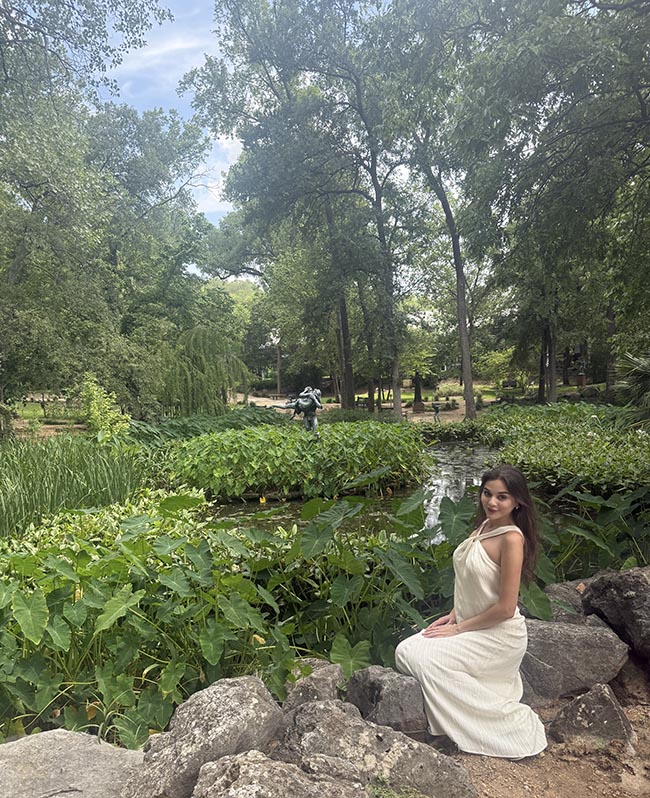
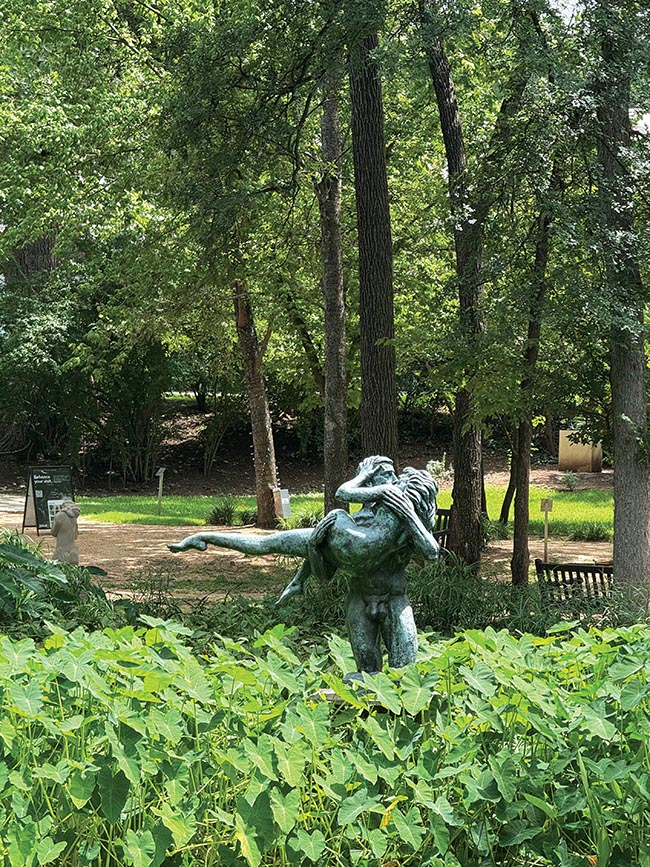
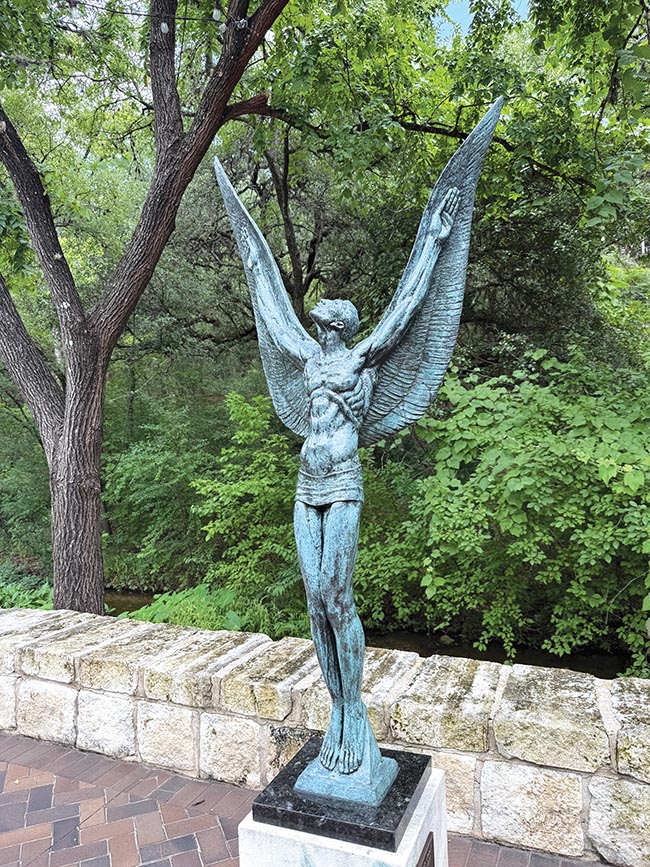
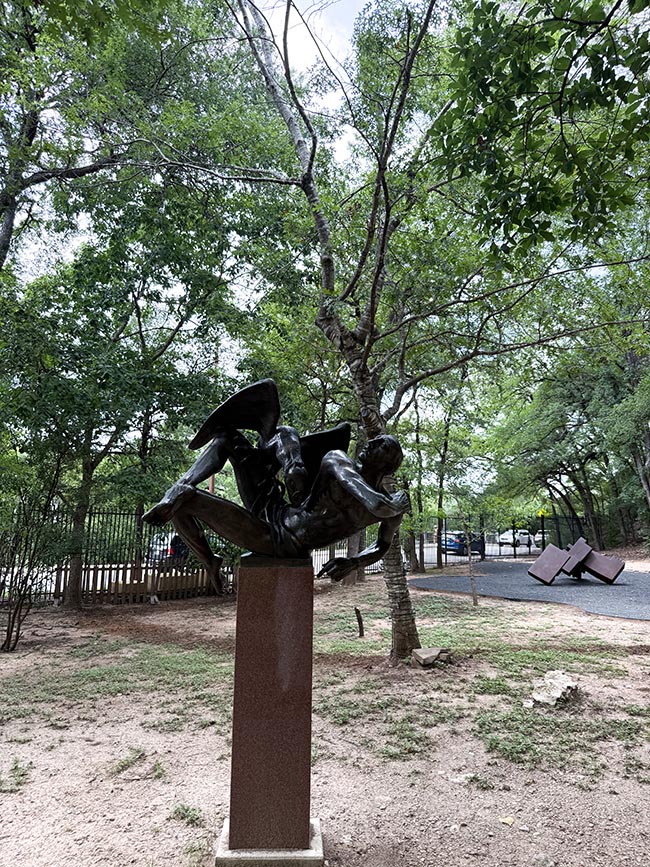
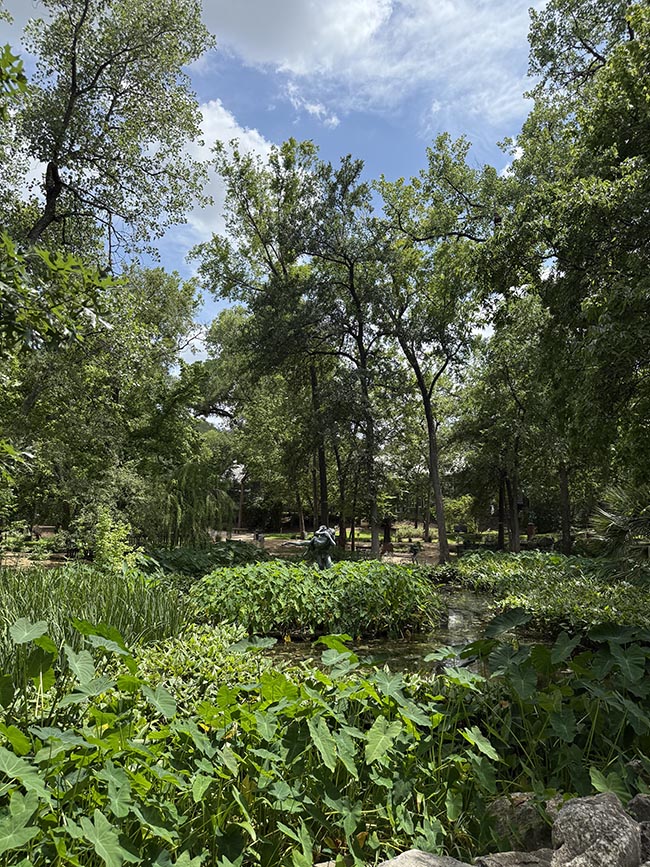
İlk karşılaştığım heykel Spirit of Flight oldu. Uçmaya hazırlanan, kanatlı uzun bir figür, hareketin hemen öncesinde duraklamış gibiydi. Hemen yakınında, Icarus havada asılıydı; düşüşün tam ortasında yakalanmıştı; kolları açık, bedeni yay gibi gerilmişti. Güneşe fazla yaklaşan çocuğun mitine dayanan bu heykel, onun ölümcül düşüşünü betimliyordu. Bahçenin tam merkezindeyse The Kiss yer alıyordu; birbirine sarılmış iki figür, paylaşılan bir öpücük anında dondurulmuştu. Bronzdan dökülmüş heykel, zamanın ve hava koşullarının izlerini taşıyor, çevresindeki doğal peyzajla neredeyse bütünleşiyordu. Yakınındaki gölet, çevredeki ağaçları ve bitkileri yansıtıyordu.
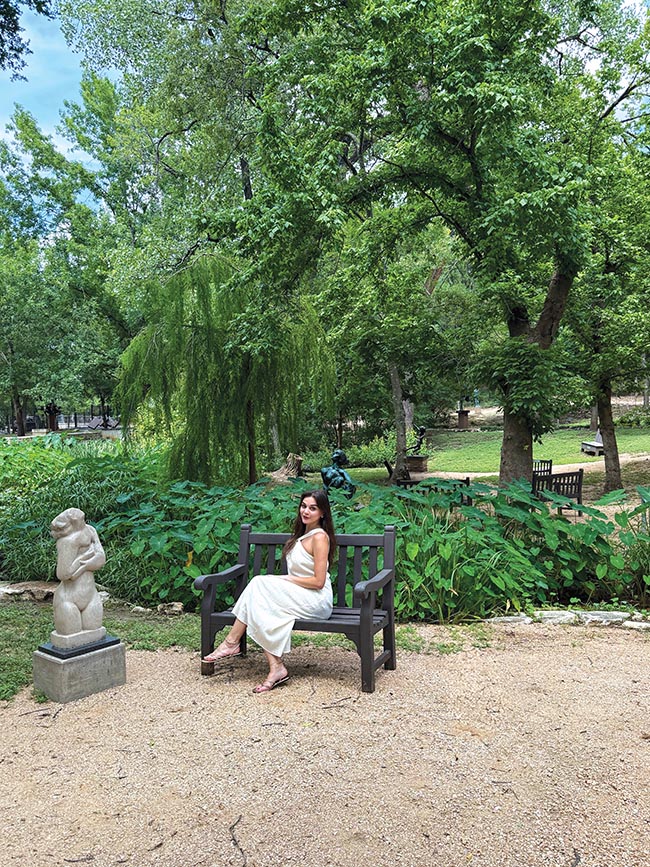
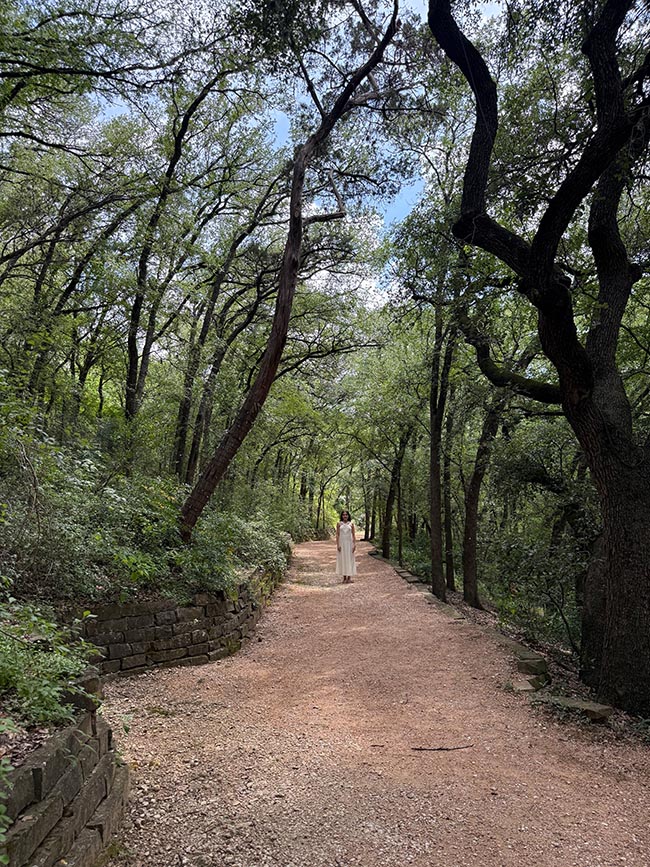
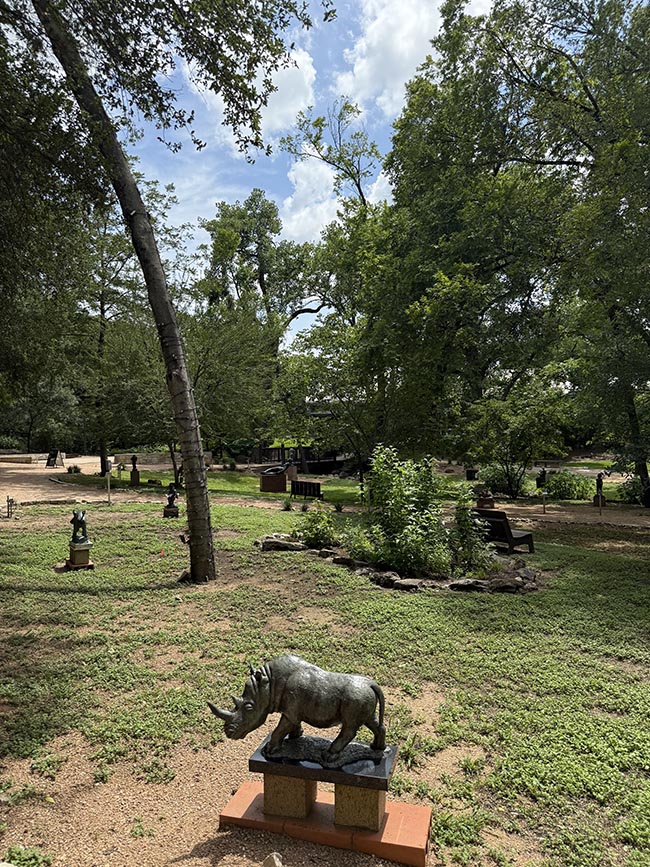
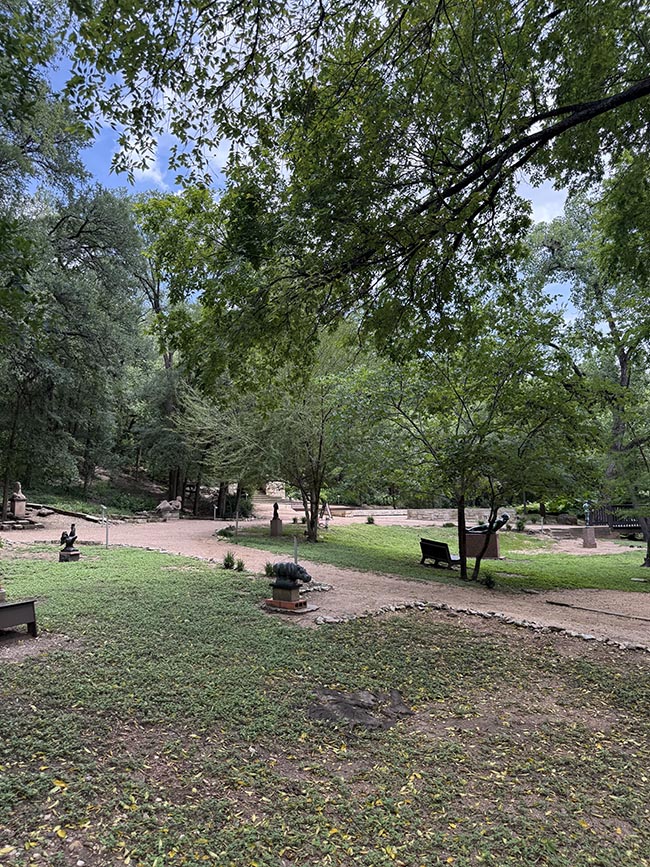
Yollar yumuşak kıvrımlarla ilerliyordu. Bazı heykeller açık alanlarda öne çıkarken, bazıları ağaçların ve bitkilerin arasında gizlenmiş, kısmen görünüyordu. Belirli bir rota olmadan, göz önüne gelenleri keşfetmek için kendimi özgür hissettim. Heykellerin yerleştirilme biçimi, onları peyzajın doğal bir uzantısı gibi görünmesini sağlıyordu.
Bahçedeki eserlerin çoğunun arkasındaki sanatçı Charles Umlauf, 1940’larda Austin’e taşınmış ve Texas Üniversitesinde kırk yılı aşkın süre ders vermiş. 1985’te eşi Angeline ile birlikte evlerini, atölyelerini ve yüz altmıştan fazla heykelini şehre bağışlamışlar. Müze birkaç yıl sonra, eski evlerinin yanına inşa edilmiş ve sanatçının yaşam alanını halka açık bir sergi mekânıyla birleştirmiş. Umlauf’un heykelleri, mitolojik sahnelerden aile portrelerine, dinî temalardan figüratif anlatılara kadar geniş bir yelpazeye sahipti.
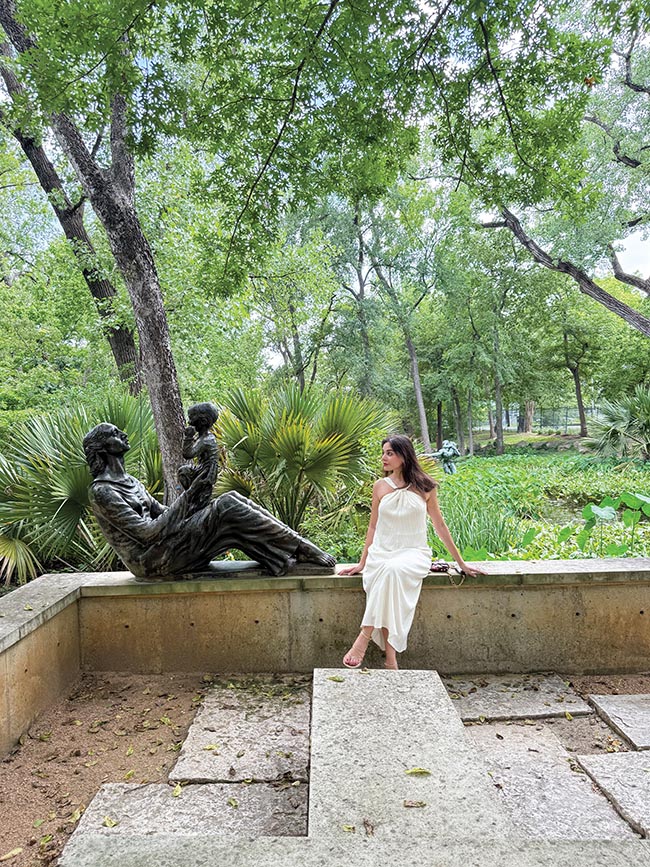
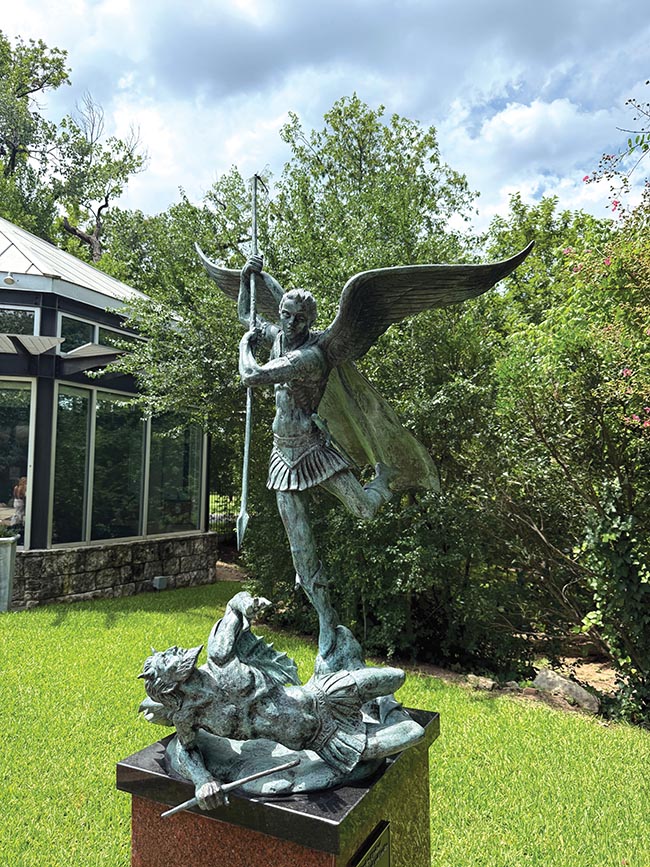
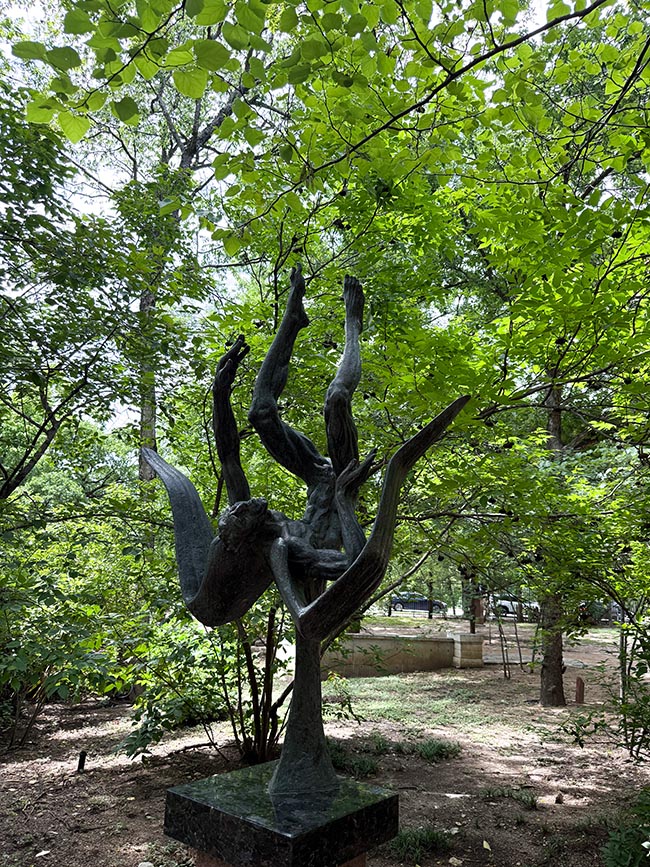
En dikkat çekici eserlerin arasında Prometheus yer alıyordu. Mitolojik kahraman Prometheus’un acı içinde yukarı kıvrıldığı bu heykelde, sırtına yapışmış küçük kanatlı bir figür vardı; büyük ihtimalle Zeus’un ceza olarak gönderdiği kartalı temsil ediyordu. Bu sahne, Prometheus’un insanlığa ateşi vermesinin ardından Zeus tarafından cezalandırılmasını canlandırıyordu. Yakınlarında Mother and Child heykeli, çocuğunu kucaklayan bir kadını canlandırıyordu; figürler birbirine dönük, koruyucu ve sevecen bir duruş içindeydi. Pietà, Meryem Ana’nın İsa’nın bedenini tuttuğu anı gösteriyordu; bronzla sonsuzlaştırılmış derin bir keder sahnesiydi. St. Michael and Lucifer, baş melek Michael’in kılıcını kaldırmış halde, yere düşen Lucifer’i alt ettiği anı betimliyordu. Bu sahne, başkaldıran meleğin cennetten kovulmasına dair İncil’de geçen ilahi adaletin etkileyici bir canlandırılmasıydı.
Küçük müze binasında içeride daha fazla eser sergileniyordu. Galeri, çağdaş sanatçılara ayrılmış dönüşümlü sergilere ev sahipliği yapıyor, böylece Umlauf’un mirası güncel anlatılarla yan yana duruyordu.
Austin’de zaman geçiren herkese, Umlauf Heykel Bahçesi ve Müzesi’ni ziyaret etmek için birkaç saat ayırmalarını öneririm. Doğal peyzajla iç içe geçmiş bu bahçede, Charles Umlauf’un onlarca yıl süren sanatsal yolculuğunu görmek mümkün.
An Afternoon at the Umlauf Garden in Austin, Texas
Located in Austin, Texas, tucked away just beyond the footpaths of Zilker Park, the UMLAUF Sculpture Garden & Museum was a calm reprieve. The entrance was lined with trees and plants that softened the transition from the city to this quiet sanctuary.
The first sculpture I encountered was Spirit of Flight, a tall winged figure frozen just before taking flight. Nearby, Icarus was suspended in the air, captured in the middle of a fall, limbs flared and body arched. Based on the myth of the boy who flew too close to the sun, the sculpture was depicting his fatal descent. At the very center of the garden, stood The Kiss, two human figures locked in an embrace, sharing an intimate kiss. Cast in bronze, the surface showed signs of age and weathering, almost blending into the landscape around it. It stood near a pond that mirrored the surrounding plants and trees.
The paths curved gently through the garden. Some sculptures stood prominently in open areas, while others were tucked behind trees or partly hidden by dense foliage. Without a fixed route, it felt natural to explore whatever came into view. The sculptures were curated in ways that made them feel rooted in the landscape, as if they had always belonged there.
Charles Umlauf, the artist behind these works, lived on this land. A Chicago born sculptor who taught at the University of Texas for four decades, Umlauf moved to Austin in 1941. In 1985, he and his wife Angeline donated their home, studio, and more than 160 sculptures to the city. The museum was built a few years later next to the original house, creating a space that blended the artist’s environment with a public gallery. Umlauf’s sculptures ranged widely in subject and material: mythological scenes, family portraits, religious themes, rendered in bronze, limestone, wood, and clay.
Some of the most prominent pieces were Prometheus, where the tortured figure of Prometheus twisted upward with strain, a smaller winged figure clinging to his back, likely representing the eagle from the myth. The composition recalled the punishment Zeus inflicted after Prometheus gave fire to mankind. Nearby, Mother and Child depicted a woman standing tall with her child wrapped in her arms. Pietà showed the Virgin Mary supporting the body of Christ, a moment of immense sorrow rendered in bronze. St. Michael and Lucifer captured the scene of powerful triumph, with the archangel overpowering the fallen angel in a vivid depiction of the biblical battle between good and evil.
Inside the small museum building, more works were on view. The gallery held rotating exhibitions of contemporary artists, allowing Umlauf’s legacy to sit alongside present day voices. For anyone spending time in Austin, I would recommend setting aside an afternoon to visit the Umlauf Sculpture Garden and Museum. It is a place where Charles Umlauf’s sculptures live among native trees and winding paths, a garden shaped as much by the land as by the artist himself.